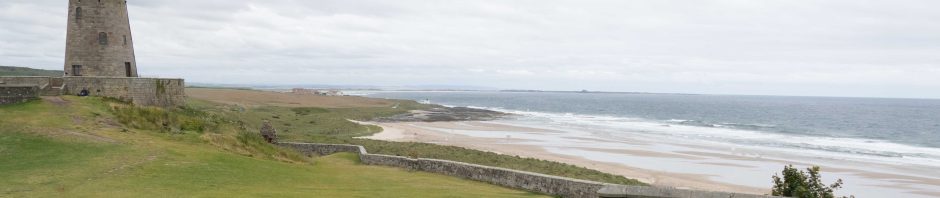
What is a Storyworld?
A ‘storyworld’ is a ‘world’ (self-contained in the sense of being contained within a game, a dramatic or literary work but may be shared with other works) along with the geology, plant and animal life, inhabitants, society, languages/discourses, values and (most importantly) its own signification systems (its own ‘Symbolic’ in Lacanian terms). A storyworld is exclusive to its own selection and exclusion of these features. The creator may determine what is included or excluded, possible or not possible, allowed or not allowed, within their own creation.
Some questions to answer when creating a storyworld – not necessarily all at once, as these tend to develop:
Scenarios
Is creating the setting an end in itself: is exploring it the point of the game or is it the background for player action? Does it interact with players, have a ‘life’ of its own? Is it rural or urban, flourishing or desolate, dry or watery, forested, sandy, rocky, above/on/under ground level?
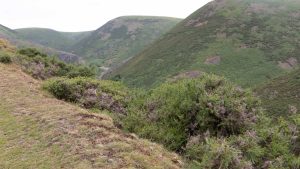
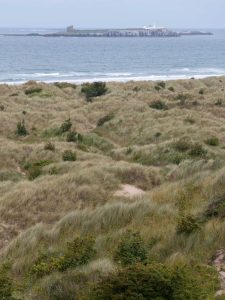
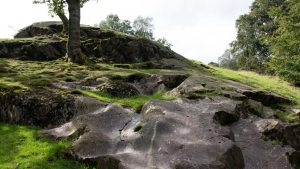
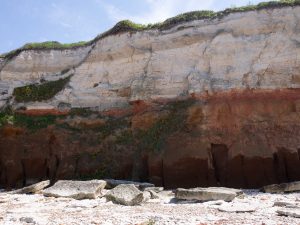
(top to bottom, left to right: High country… the Long Mynd, Staffordshire (shot at eye level and the valley from above); sand dunes below Bamburgh Castle, Northumberland (shot from the castle walls above); rocky grassland at Ilam, Staffordshire (shot from below, looking up); the ‘striped’ cliffs at Hunstanton, Norfolk (shot at eye level)
Is it ‘natural’ (in our terms) or ‘made’… sculpted, designed, built… with what materials (eg. paper, metal, rock, wood, extraterrestrial or supranatural)? Is it all – or a mix – of these?
A variety of constructions can be placed to affect/stimulate mood or action…how they are are experienced can be influenced by shooting from below/above/side-on (see Hints and Tips from Film Studies)
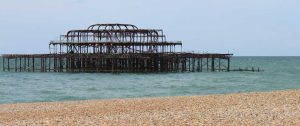
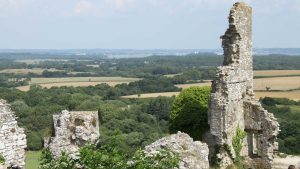
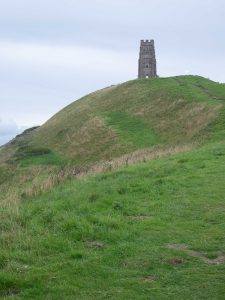
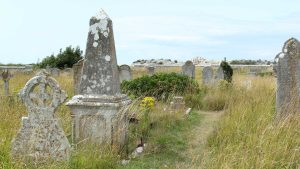
(Left to right, top to bottom: The burnt-out pier at Brighton, East Sussex; the plain below Corfe Castle, Isle of Portland, with a few ruins for context; Glastonbury Tor, Somerset, showing the climb from below; a deserted ‘scrubland’ graveyard on the Isle of Portland, with tombstones )
The introduction of light effects can change or develop a scene…
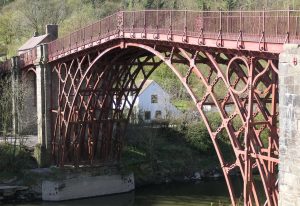
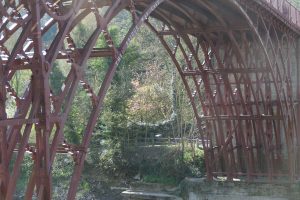
(A shot of the eighteenth-century iron bridge at Ironbridge in Staffordshire, taken at eye level, has a different mood from one taken closer, cut and in shade, with softer focus; whilst the shot of Whitby Harbour in Yorkshire combines softer focus with sepia tones.)
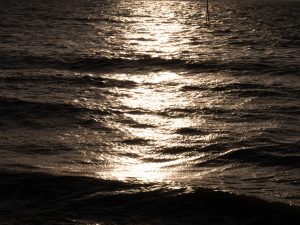
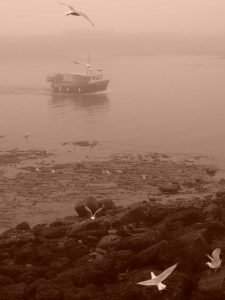 Neon lighting transforms dark rocks and water in various ways, especially when reflected, e.g. in water:
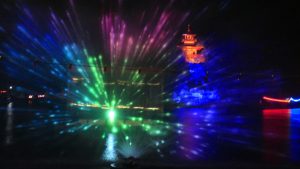
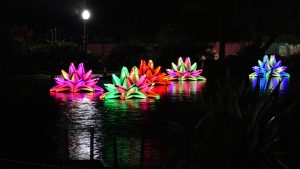
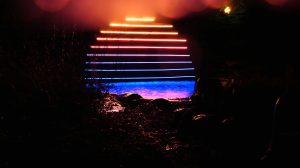
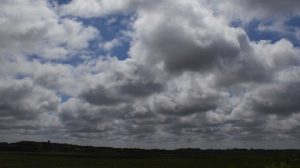
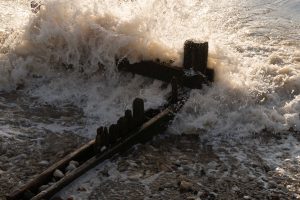
Skies and seas can be used to create moods or enable/stimulate action… seas and rivers can be barriers or conduits for progress.
Adding vegetation is something that should be carefully considered, as it alters the ‘feel’ of the experience, and can be used to further the narrative and/or add benefits or harm to the players
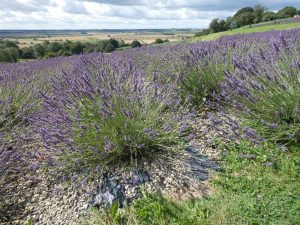
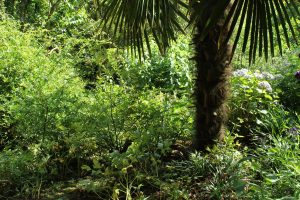
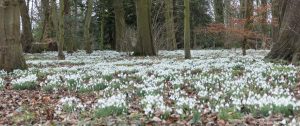
(From top left: lavender farm in North Yorkshire; tropical gardens in Abbotsbury, Dorset; snowdrops at Burton Agnes Hall, East Yorkshire)
Society
What kind of inhabitants are there? How do they live within and interact with this world? How do they live? How do they get around, and how does a player explore this world; how will they travel and why? How are power and agency gained and held? What kind of society (democratic, meritocratic, hierarchical, autocratic, capitalist) is it; and is this common to all, or do groups organise themselves differently this world? Who is included and who is marginalised or outlawed? What do they find funny, and what’s deadly serious? What do they see as wrong, and what do they value?
What is the inhabitants’ relationship with one another, with other groups, and with the world itself? How do they communicate – language, gestures, images, jargon etc?
Mood and generic features
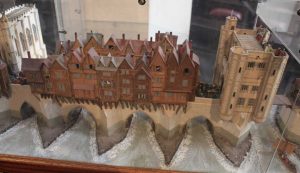
The mood of a storyworld/game, or of various part of it, are very important to ‘draw in’ the player. Is it dark or light, welcoming or forbidding, soft/romantic or harsh/horrific, pleasant or unpleasant, happy or sad, busy or quiet, colorful or monochrome, or a mix of some or all these things? How do you want the player to feel at different points of the game (especially the beginning and end)? These elements can be traced to generic features… horror, melodrama, comedy, tragedy, romance… players may make generic links to these. Of course, these associations can also be twisted and ‘played’ with… fantasy games usually mix the recognisable and the strange to create ‘uncanny’ worlds.
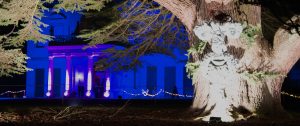
In a medievalist storyworld, the creator decides how ‘period accurate’ the world and its characters will be. It could be as accurate as possible, deliberately inaccurate, or some stage between the two. If the last of these, then which elements can be manipulated, and to what extent?
You can’t show every part of your storyworld and answer all the questions above (and any others you can think of) in one ‘fell swoop’ or in massive detail. You need to select what’s really important to reveal for the purposes of the game, to make sure that the player understands where they are and how things work… they must be able to navigate it without so much trouble that they simply give up trying. Setting up ground rules can be a nuisance, but some are needed to make things – much – simpler later on. Rules, of course, are made to be broken!
(You can keep your solutions and questions in a ‘progress portfolio’ and/or keep a reflective journal for your own use, or if it’s classwork or examined work, for marking purposes. If more than one person is doing this, you can also compare/share with others)