by Carol L. Robinson
Kent State University
Adaptation
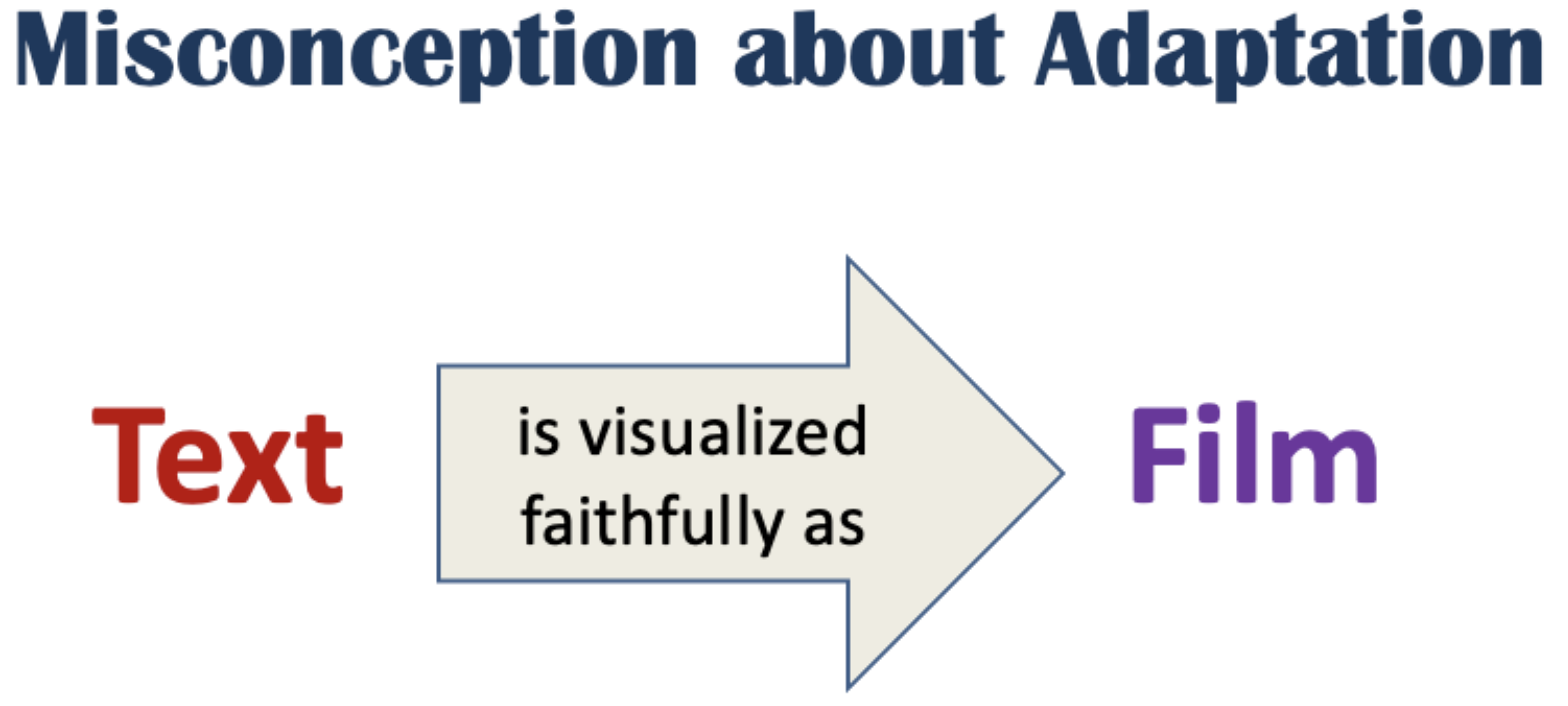
Diagram by Alexa Alice Joubin; SOURCE: What Is an Adaptation?
Adaptations of ideas, stories, plays, poetry, and literature represents a highly challenging art form. As Alexa Joubin’s diagram emphasises (above), it is a misconception that adaptation is a purely mimetic process: it is not a process that is even able to to be the absolute mirror of the work adapted. Indeed, according to Joubin, “Scholars such as Thomas Leitch, Linda Hutcheon, and Robert Stam have regarded adaptation as a dialogic process. Adaptations of literature are in dialogue with pressing social issues of our times and with past literary masters.” All sorts of factors affect the adaptation process, including: personal taste(s), culture, politics, language, individual role identities (gender, sexuality, race, ethnicity, etc.), corporate identities, national identities, empathy, sympathy, ethics, and logic.
To study a work adapted from something else is to analyze how that thing (object, story, whatever) has been transformed from one medium into another: what’s been gained? what’s been lost? Such an analysis can reveal alternative interpretations of the original item. A lack of fidelity to the original item can reveal hidden meanings or critiques of that item, and can inspire discussions about authorship, originality, and cultural significance.
Adoption
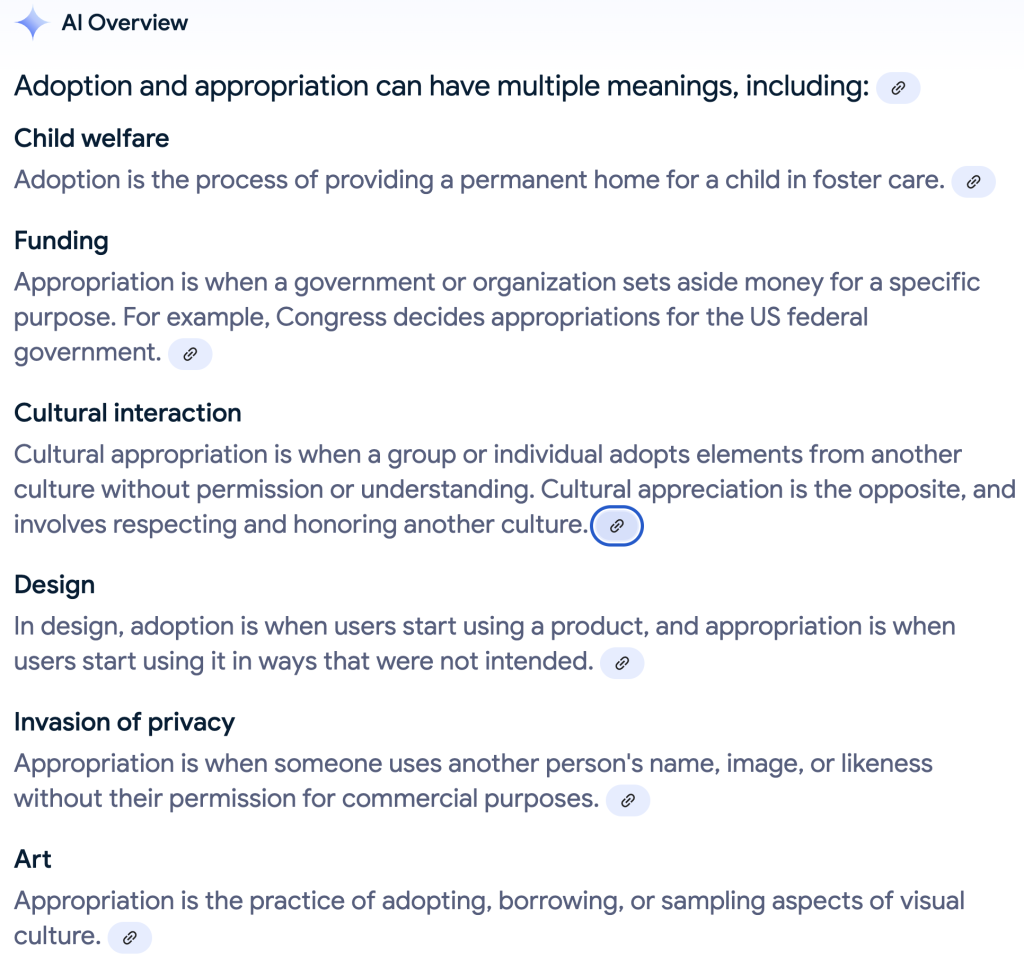
Is Medieval Times adoption or appropriation?

Medieval Times Dinner & Tournament Locations: Chicago (Illinois), Atlanta (Georgia), Baltimore (Maryland), Buena Park (California), Dallas (Texas), Lyndhurst (New Jersey), Myrtle Beach (South Carolina), Orlando (Florida), Scottsdale (Arizona), Toronto (Ontario, Canada)
Appropriation
The word in language is half someone else’s. It becomes one’s “own” only when the speaker populates it with his own intentions, his own accent, when he appropriates the word, adapting it to his own semantic and expressive intention. Prior to this moment of appropriation, the word does not exist in a neutral and impersonal language… but rather it exists in other people’s mouths, in other people’s contexts, serving other people’s intentions; it is from there that one must take the word, and make it one’s own. (p. 294)
—Michael Bakhtin. The Dialogic Imagination: Four Essays (Austin: University of Texas Press, 1992).
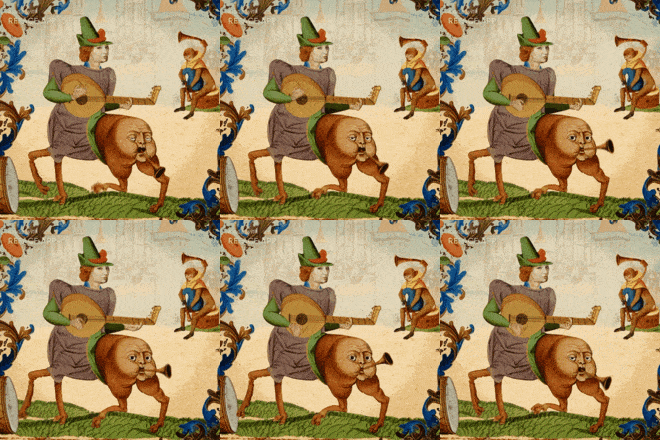
This medieval image has been appropriated and adapted for contemporary animated aesthetics.
Michael Bakhtin is attributed with the cultural concept of appropriation (via Georg Hegal and Karl Marx). He was a Russian linguist and a literary critic (1895-1975). He defined appropriation as a process in which a person or a people take(s) something that belongs to others to make use of it for personal or sociological purposes/intentions. Mostly, Bakhtin used the word appropriation to describe language acquisition and the ways in which dialogue is constantly developing. However, the concept (and theory) have blossomed over the years. In this lesson, we are going to dive deeper into cultural and linguistic appropriation, particularly in terms of postcolonialism.
The Most Epic Safety Video Ever Made
Appropriation & Misinformation
A Few Words Regarding Free Speech
In the United States, free speech is grounded in the First Amendment of the Constitution. It was further defined by the Supreme Court. For example, Associate Justice Thurgood Marshall explained in 1972:
“But, above all else, the First Amendment means that government has no power to restrict expression because of its message, its ideas, its subject matter, or its content.”
— Chicago Polic Dept. v. Mosley, 408 U.S. at 95 (1972) (Justice Marshall, writing for the majority)
Defining Free Speech | Why It Matters
Propaganda to Social Media: Misinformation in a Time of Crisis
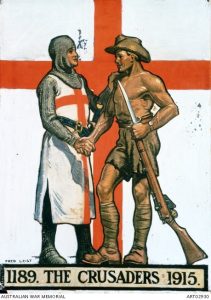
Free Speech, Adaptation, Adoption, and Appropriation for Propaganda and Commercial Use
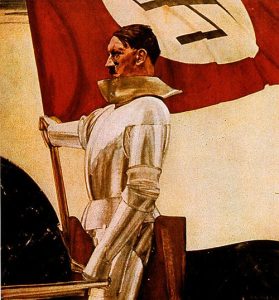
Propaganda is biased and misleading information; it is typically used to sell or promote something, such as a product or an idea.
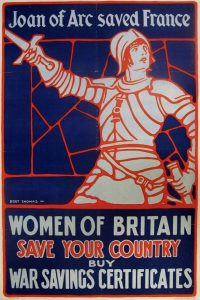
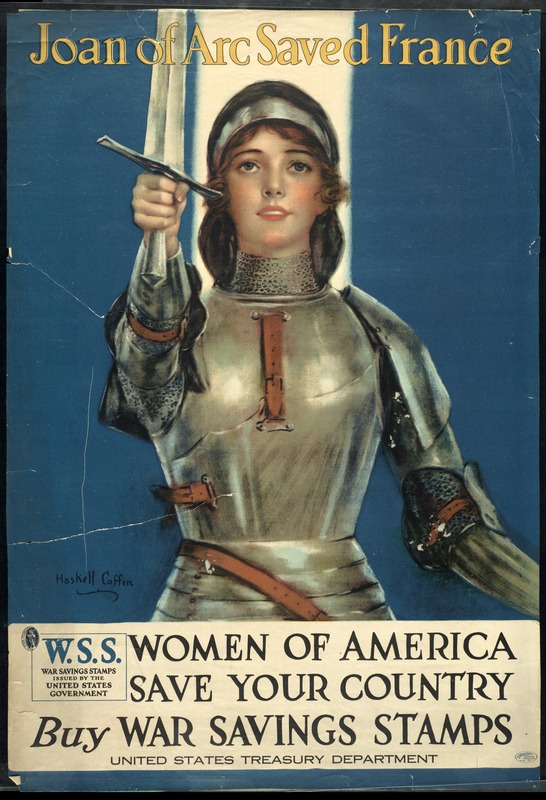
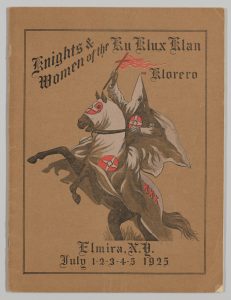
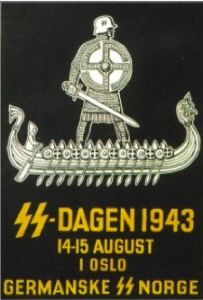
Introduction to Propaganda
A Few Words about Brainwashing
Brainwashing is a technique used to describe complexity of approaches intended to change one’s mind—to rewrite the logic, the feeling, and/or the belief. This technique can take the form(s) of isolation, monopolization, debilitation, exhaustion, drugs, torture, enforcement of routine, and/or hypnosis. You don’t see much brainwashing happening with written works, unless you consider well written propaganda—including misinformation and disinformation—to be a part of the technique.
How to Tell If You’re Brainwashed?
Finally, Some Words about Gaslighting
Gaslighting is a term derived from the classic 1944 movie Gaslight, which was from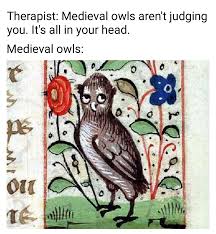 Patrick Hamilton’s play Gas Light: A Victorian Thriller in Three Acts (1938). Gaslighting is a form of psychological manipulation strategic in its intent to sow seeds of doubt in a targeted individual.
This deceitful conduct is designed to destabilize and undermine the victim’s belief in their perception of reality or sanity, making them question their memories, judgment, and even their mental health.
Is the Term Gaslighting Now Meaningless?
The science of fake news.
APA Citation:

- Fact Checking Tools
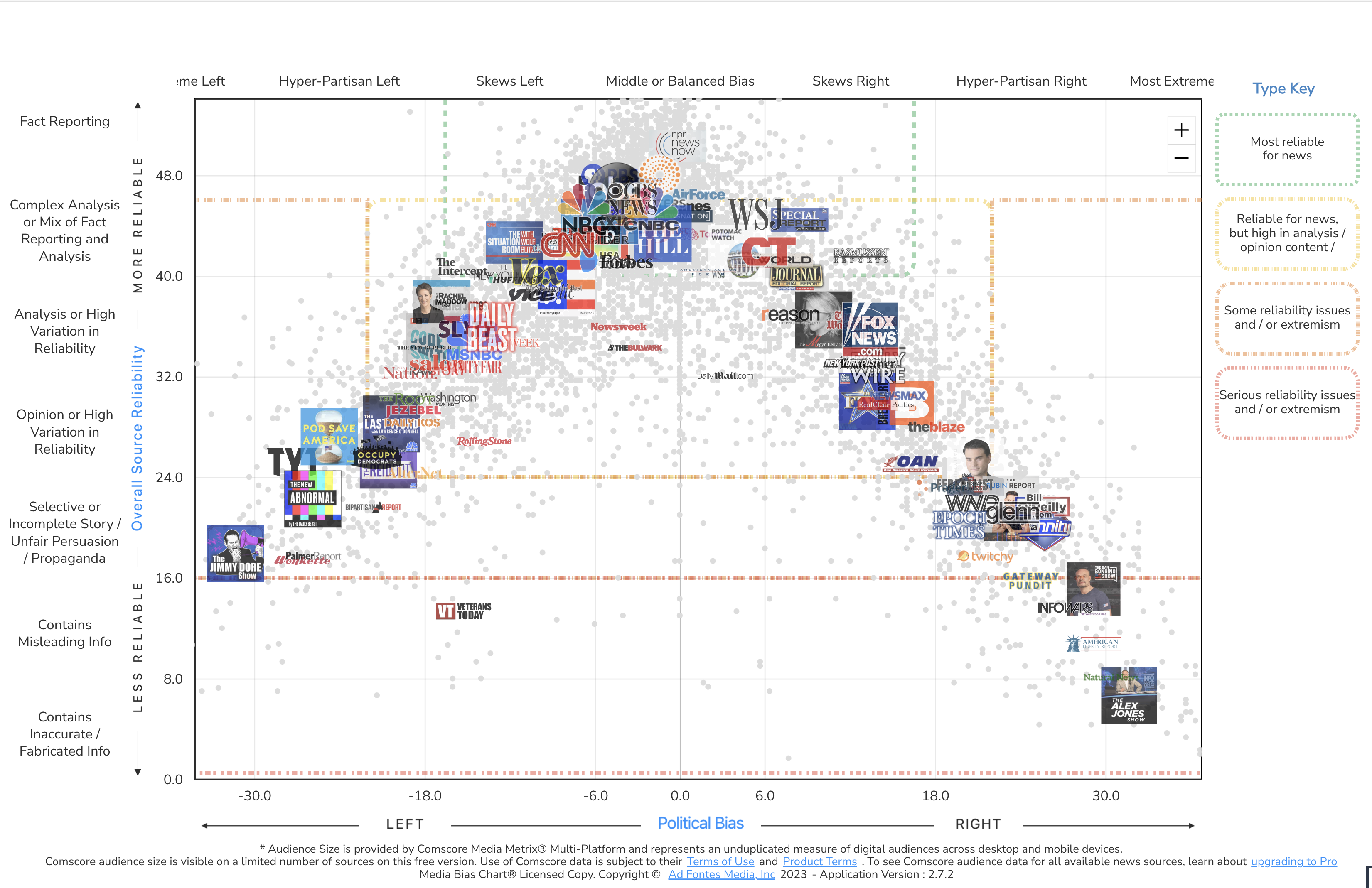
CLICK HERE for a larger, interactive image.
Readily Available Materials
AdaptationTheory
- Mimesis and Diegesis (Tim Ralphs)
- A Theory of Adaptation (Linda Hutcheon) — preliminary bibliographic information
Medieval Propaganda and Misinformation
- Factoids, Dishonesty, and Propaganda in the Middle Ages (Paul Antony Hayward)
- Medieval Disinformation? (Nell Porter Brown)
- The Symbols of Prejudice Hidden in Medieval Art (Jackson Arn)
- The Bayeux Tapestry: History or Propaganda? (Shirley A. Brown)
Adaptation, Adoption, and Appropriation of the Medieval
-
- A Vile Love Affair: Right Wing Nationalism and the Middle Ages (Andrew B. R. Elliot)
- Neomedievalism in the Media: Essays on Film, Television, and Electronic Games, Edwin Mellen Press, 2012. (Ed. with Pamela Clements) Preface by Richard Utz. Epilogue by Terry Jones. (Edwin Mellen Press, 2012).
Top 10 Favorite Medieval Fantasy Tropes
Top 10 WORST Medieval Fantasy Tropes
The Lord of the Rings: Gollum Has Issues
Lord of the Rings Commercial — Gollum Singing James Blunt Song
The Most Epic Safety Video Ever Made