
by Carol L. Robinson
Kent State University
Supplemental Page: About Project 2025
Supplemental Page: Five Faces of Oppression
“In both slave society and feudal society the right to appropriate the product of the labor of others partly defines class privilege, and these societies legitimate class distinctions with ideologies of natural superiority and inferiority” (“Five Faces of Oppression” 48).
The Universal Declaration of Human Rights was created just after World War II by the United Nations, lead by Eleanor Roosevelt. As the United Nations explains in its web site, “The Universal Declaration of Human Rights, which was adopted by the UN General Assembly on 10 December 1948, was the result of the experience of the Second World War.” Below, are Eleanor Roosevelt’s thoughts about this document:
Eleanor Roosevelt addresses the United Nations on the
Ratification of the Universal Declaration of Human Rights
Did you notice how Mrs. Roosevelt’s speech spoke of “man” and “him” and “he” –this, of course, what the consciousness of much of American thought in the 1940s and earlier. What are human rights? Below is a quote from the Stanford Encyclopedia of Philosophy that you might consider:
Human rights are international norms that help to protect all people everywhere from severe political, legal, and social abuses. Examples of human rights are the right to freedom of religion, the right to a fair trial when charged with a crime, the right not to be tortured, and the right to engage in political activity. These rights exist in morality and in law at the national and international levels. They are addressed primarily to governments, requiring compliance and enforcement. The main sources of the contemporary conception of human rights are the Universal Declaration of Human Rights (United Nations, 1948b) and the many human rights documents and treaties that followed in international organizations such as the United Nations, the Council of Europe, the Organization of American States, and the African Union. The philosophy of human rights addresses questions about the existence, content, nature, universality, justification, and legal status of human rights. The strong claims made on behalf of human rights (for example, that they are universal, or that they exist independently of legal enactment as justified moral norms) frequently provoke skeptical doubts and countering philosophical defenses. Reflection on these doubts and the responses that can be made to them has become a sub-field of political and legal philosophy with a substantial literature. SOURCE: Stanford Encyclopedia of Philosophy
The challenge of generating a “definitive” definition is great, and perhaps the best definition is provided by the United Nations’ The Universal Declaration of Human Rights. This declaration is comprised of a preamble and thirty points, that attempt to clearly define the parameters of what comprises of “human rights.” One might reduce those points to a handful of words, such as those listed in the image below.
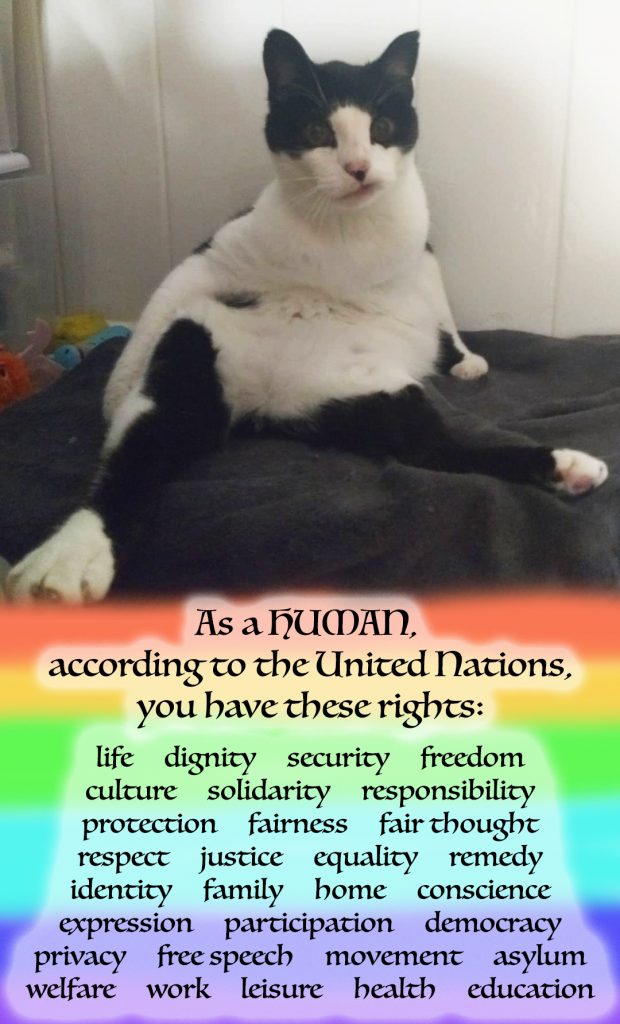
This is Edgar, my nephew’s cat.
Does this reduction of the United Nations’ The Universal Declaration of Human Rights to 32 words reduce the meaning of human rights, or does this list enhance the meaning? Perhaps the real problem in understanding what human rights are is a problem of language? My personal idea of the basic human right for free speech, for example, may be very different from yours: am I violating my child’s human rights if I do not allow that child to swear, or am I just teaching that child good manners? For another example: how does one define “dignity” or “respect” or even “democracy”? In the United States, alone, there is a wide spectrum of definition for each of these words, and when these words are expressed in other languages, the meanings can become even more complicated in translation. This complication is also a factor of culture. Consider, for example, the American cultural definition(s) of “movement” and how that definition might differ in a geographically smaller country, such as Haiti or Japan. Consider the video, “What are human rights?” provided by United for Human Rights. (Note: you have to scroll down the page to find it.) Perhaps it is because of this difficulty in simplifying definitions of these very abstract, broad concepts that—as the United for Human Rights video also states—The Universal Declaration of Human Rights is little more than a piece of paper (it is not universal law). This is because parts of the declaration conflicts with established laws of various countries. Another problem is that many factions (of various countries) believe that this document is incomplete. For example, it does not specifically address the unique rights of children, and it does not recognize issues of gender and sexuality.
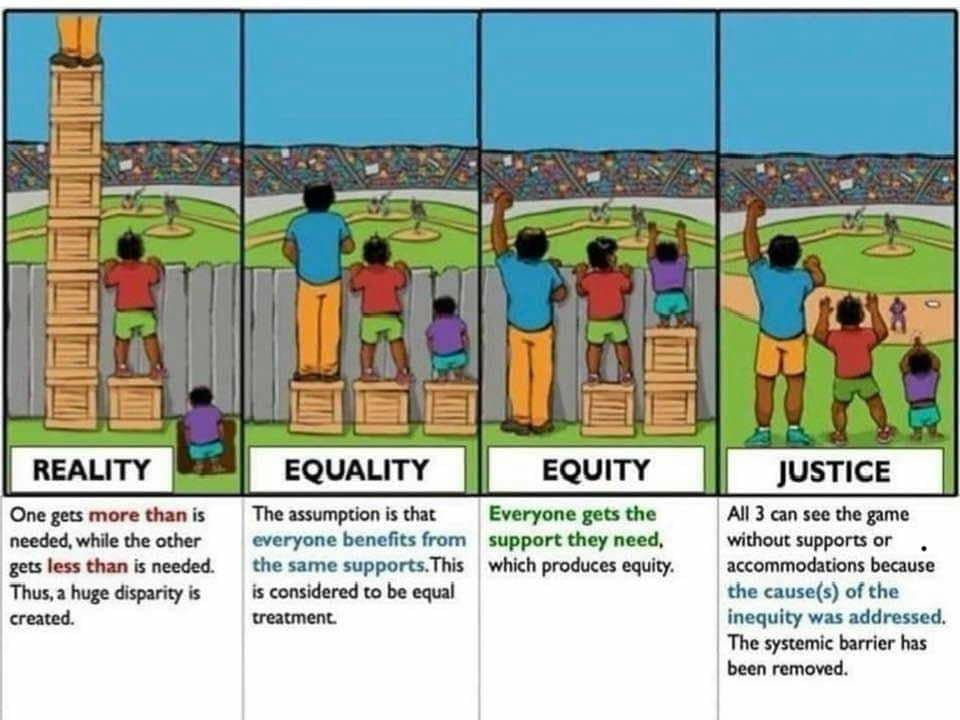
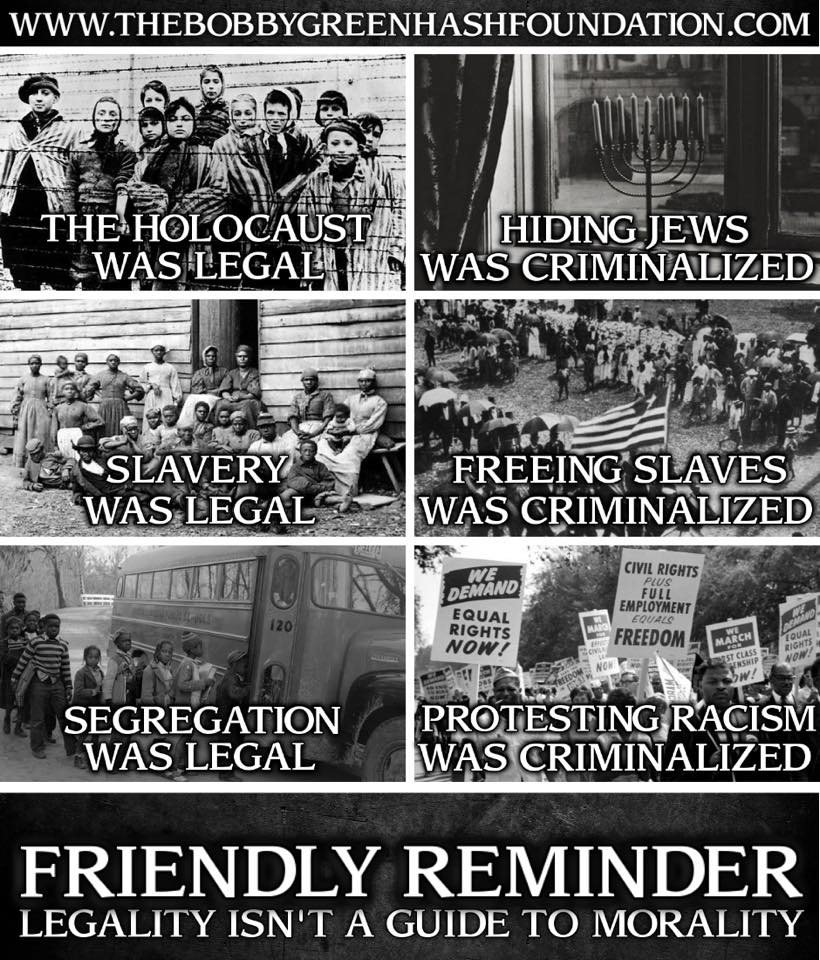
Return to Top
Readily Available Materials
You should be able to access each of these by simply clicking on the link. If you have trouble accessing any of the below links,please email me (clrobins@kent.edu) right away!
General Human Rights Concerns
- Essay: How to stave off constitutional extinction (Jill Lepore)
- Pew Research Center:
- Representative Democracy Remains a Popular Ideal, but People Around the World Are Critical of How It’s Working
- Attitudes toward different types of government systems
- Views about political representation
- Would electing more officials from different backgrounds improve policy?
- Satisfaction with democracy and ratings for political leaders, parties
- Other Sources of Government Information:
- The CIA World Fact Book
- Types of Political Systems (Howard Community College)
- BBC Types of Government
- Types of Governments from Historical Atlas of the 20th Century
- Other Classifications of Governments from Historical Atlas of the 20th Century
- Mr. Stutz’s World Affairs Types of Governments (early 21st Century)
- The Phrontistery: Forms of Government
- Types of Governments (Oklahoma Historical Society) (This lists the type of government of every country in the world.)
- CountriesMapped: The World’s Legal Government Systems
Medievalism, Corporate Power, and Governance
- Reincorporating the Medieval: Morality, Chivalry, and Honor in Post-Financial-Meltdown Corporate Revisionism (Kevin Moberly and Brent Moberly, Studies in Medievalism XXI: Corporate Medievalism, Ed. Karl Fugelso, 2012.)
- Three Vignettes and a White Castle: Knighthood and Race in Modern Atlanta (Richard Utz, The United States of Medievalism, Eds. Tison Pugh and Susan Aronstein, University of Toronto Press, 2021.)
- A look at the history of Greenland, from Viking raiders to Donald Trump
- Marauders in the US Capitol: Alt-right Viking Wannabes & Weaponized Medievalism
- English Feudalism and the Origins of Capitalism
- Capitalism vs Feudalism vs Slavery
- What the End of Feudalism Tells Us about Capitalism’s Inevitable Demise
- Epochs of Ecology: The transition from Feudalism to Capitalism
- Racial Feudalism
- Technofeudalism As Explained by Yanis Varoufakis
- Welcome to the Age of Technofeudalism
- Techno-Feudalism Is Taking Over
- No, It’s Not Techno-Feudalism. It’s Still Capitalism.
International Law and Human Rights
- Journal of the United Nations
- “No, You’re Not Entitled to Your Opinion.” (The Conversation)
- “Human Rights in 2018: Ten Issues that Made the Headlines.” (Human Rights Watch)
- “Do Human Rights Treaties Make a Difference?” Oona A. Hathaway. Yale Law School Legal Scholarship Repository. Faculty Scholarship Series. Paper 839. 2002: 1935-2042.
- “Making Promises, Keeping Promises: Democracy, Ratification and Compliance in International Human Rights Law.” Jana Von Stein. British Journal of Political Science. (2015) 46: 655-679.
- “The Philosophic Foundations of Human Rights.” Jerome J. Shestack. Human Rights Quarterly. 20.2 (May 1998): 201-234.
- Human Rights (Wikipedia*)
The United States of America Rights Concerns
- The United States Bill of Rights
- The Bill of Rights Institute
- Beyond Adaptation: Decolonizing Approaches to Coping with Oppression
- Souther Poverty Law Center Hate Map
- United States Hate Crime Laws (Department of Justice Website)
- The Future of DEI in Higher Education (United States)
The Universal Declaration of Human Rights
(United Nations)
-
- Status of Ratification of Human Rights Treaties
- Human Rights Indicators Tools for Measuring Progress
- Human Rights Issues Today
- Universal Human Rights Index
U.S. Organizations
- Anti-Defamation League
- American Civil Liberties Union
- Southern Poverty Law Center
- League of Women Voters
- National Organization of Women
- National Association for the Advancement of Colored People
- The Amendments Project
White Privilege & Representations of Persons of Color
- See also: Special Focus—Race, Racism, Medievalism and the Middle Ages
- Medieval Studies Struggles Against White Supremacist Elements in the Field
- Medievalism, White Supremacy, and the Historian’s Craft: A Response
- Medieval history scholars are suddenly on the front lines in the fight against white supremacists
- Letters from an American
- The Racial Politics of Diversity, Equity, and Inclusion (DEI) Work
- State anti-DEI laws sow uncertainty in public colleges and universities
- The Safe Space That Became a Viral Nightmare
- White Privilege: Unpacking the Invisible Knapsack
- Voting Rights and the New Jim Crow
- ‘Not Racist’ Is Not Enough: Putting In The Work To Be Anti-Racist
- My Year Inside the International Alt-Right
- Race, Gender, Academia, and the Tactics of Digital Online Harassment
- What Is White Privilege, Really?
- The White Privilege Moment
- A Conservative Defense of Privilege Theory
- Sidney Poitier, Who Paved the Way for Black Actors in Film, Dies at 94
- Cherokees Ask U.S. to Make Good on a 187-Year-Old Promise, for a Start
- Law on placement of Native American children divides Supreme Court
Cancel Culture and Freedom of Expression Issues
- Cancel Culture: Myth or Reality?
- Americans and ‘Cancel Culture’: Where Some See Calls for Accountability, Others See Censorship, Punishment
- Those People We Tried to Cancel? They’re All Hanging Out Together
- Cancel Culture Will Not Be Canceled.
- What’s Really Behind America’s ‘Free Speech Problem’
Shelter Rights
- The human right to adequate housing (United Nations)
- Housing as a Human Right
- Changing The Housing Debate Part 1: Housing Is Not A Right
- The Case for a National Right to Shelter
- Housing is (Not) a Human Right
- We can’t let myths about the human right to housing hold us back
- Housing experts say there just aren’t enough homes in the U.S.
- The Affordable Housing Crisis Grows While Efforts to Increase Supply Fall Short
- What’s Happening in Louisville Could Solve a Housing Crisis
- The Future of Affordable Housing in the US: Global Solutions for a Local Problem
- How Do We Solve America’s Affordable Housing Crisis? BU Research Helps Inspire a Federal Bill That Suggests Answers
The Right to Eat
- United Nations: About the right to food and human rights
- The Right to Food
- The International Food Security Treaty
- United States: Child Nutrition Programs Legislation and Regulations
- National School Lunch Program (USDA)
- Fork Over Love
- National School Lunch Program (Ohio)
- Ohio: Section 3314.18 | Breakfast and lunch programs
- Ohio Association of Foodbanks
- Ohio Free Food Resources
Medical Rights
- Empower Yourself: Know Your Rights as a Patient
- What the Utah Good-Nurse, Bad-Cop Video Says About Medical Privacy
- On the Utah Nurse Viral Video
- Patients’ Bill of Rights
- Ohio: Patient’s Rights and Responsibilities
- Your Rights Under HIPAA
- Disability Rights Ohio: Your Rights to Treatment
- Ohio: Section 4743.10 | Freedom to decline for conscience-based objections.
- Free Health Clinics
- Free Clinics: Ohio

(1) Gus Walz wins over social media with emotion for father Tim Walz accepting VP nomination (2) Kyle Rittenhouse breaks down during testimony
(Dis)ability Rights
- The Arc: Disability Rights
- Disability History: The Disability Rights Movement
- Crip Camp: A Disability Revolution
- “Crip Camp” and the disability rights movement
- How Did Kitty Cone Change Disability Rights?
- A Brief But Spectacular take on the disability rights movement
- Judy Heumann, renowned disability rights activist, dies at 75
- Effects of Linguisticism and Audism on the Developing Deaf Person
- Through Deaf Eyes
- Deaf School vs Mainstream – What Are The Differences Between Deaf Schools And Mainstream Schools
- Meryl Streep’s Speech about Donald Trump’s Cruelty
- Tensions build between autism researchers and the autistic community
- The Truth About ABA: The Most Popular Autism Therapy in the US and Canada
- Gus Walz Brought Out Both the Joy and the Cruelty
- My Son and Gus Walz Deserve a Champion Like Tim Walz
Sexuality, Gender Identity and Rights
- Performative Acts and Gender Constitution: An Essay in Phenomenology and Feminist Theory (Judith Butler)
- Sexual Orientation and Gender Identity Definitions
- Sex and Gender (National Institute of Health)
- Know Your Rights: LGBTQ Rights
- Protecting the Rights of Lesbian, Gay, Bisexual, Transgender, and Intersex (LGBTI) Individuals
- The Laramie Project
- Kinsey Institute
- He Spurred a Revolution in Psychiatry. Then He ‘Disappeared.’
- The Official HARVEY MILK Biography
- Gender and Sexuality Justice
- Know Your Rights: LGBTQ Rights
- Sexual Orientation and Gender Identity
- How Do Students Critically Evaluate Outdated Language That Relates to Gender in Biology?
- Sex Redefined: The Idea of 2 Sexes Is Overly Simplistic
- Gender Versus Biological Sex: What’s the Difference?
- Pronouns Patio
SEE: Project Delta Dawn
Rape & Sexual Harassment Culture
- Rape Culture 101
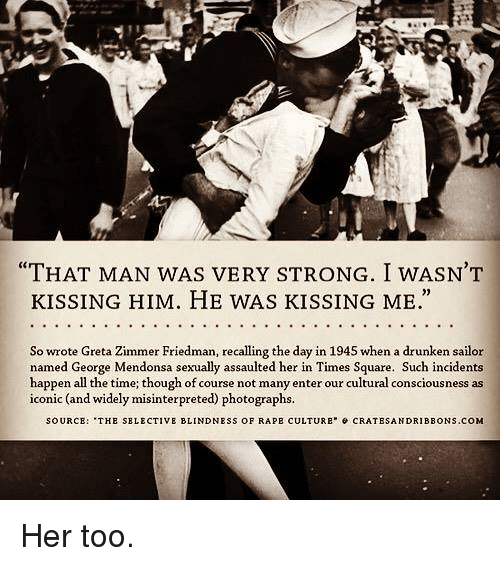
- The Kissing Sailor, or “The Selective Blindness of Rape Culture”
- 25 Everyday Examples of Rape Culture
- What Is Human Trafficking?
- Defining Rape Culture
- “Matt Damon’s Hard Lesson Tangling with the #MeToo Movement“
- Do Women Get to Write With Authority?
- We Talk About Women Being Raped, Not Men Raping Women
- ‘We Talk About Women Being Raped, Not Men Raping Women.’ Meet the Man Behind the Viral Quote
- I Don’t Know What to Do with Good White People
- In ‘Political Correctness’ Debate, Most Americans Think Too Many People Are Easily Offended
- Political Correctness: Debate over Whether It Has Gone Too Far Rages at Universities from Cambridge to Yale
- Indiana doctor says she has been harassed for giving an abortion to a 10-year-old
Women’s Rights in the United States of America
- A Timeline of Women’s Legal History in the United States
- “November 5, 2022” Letters from an American (A History of the Fight for Women’s Rights)
- The never-ending fight over whether to include the Equal Rights Amendment in the Constitution
- Women and the Law: Marriage and Coverture, Trusts and Guardianship, Living in Poverty, Slavery
- On this Day—May 29, 1851: Sojourner Truth Addresses Ohio Women’s Rights Convention; Record of Speech Later Rewritten by White Feminist
- Mrs. America: Women’s Roles in the 1950s
- The Story of Women in the 1950s
- The 1950s
- The 1960s: A Decade of Change for Women
- 5 Things Women Couldn’t Do in the 1960s
- The Women’s Movement and Feminist Activism in the 1960s
- The history of women’s work and wages and how it has created success for us all
- Women’s Bureau
- Eight Laws That Helped Women Make History In The Workforce
- Women’s Rights and the Civil Rights Act of 1964
- Women’s Rights in the Workplace
- Fast Facts: Women Working in Academia
- A Mathematician Who Fled to Freedom but Still Stares Down Doubts
Domestic Violence, Slavery and Human Trafficking
- When Men Murder Women
- The Domestic Violence Fatality Review Clearinghouse
- Domestic Violence in the United States: A Preliminary Report Prepared for Rashida Manjoo, U.N. Special Rapporteur on Violence Against Women
- Domestic Violence & Sexual Assault in the United States: A Human Rights Based Approach & Practice Guide
- Federal Domestic Violence Laws
- Nuisance Laws: Overview
- Chrystul Kizer Got 11 Years in Prison for Killing Her Abuser. This Is Justice?
- My Family’s Slave
- A Presumption of Guilt
- What Is Human Trafficking?
LGBTQ+ Culture Identity
-
- The Cool and the Queer in Bugs Bunny’s Middle Ages (Tison Pugh, Studies inMedievalism XXVIII: Medievalism and Discrimination, Ed. Karl Fugelso, 2019.)
- A Short History of LGBTQ+ Cinema
- Performative Acts and Gender Constitution: An Essay in Phenomenology and Feminist Theory (Judith Butler)
- Seven LGBTQ+ Changemakers in Film and Television
- Enough “Representation.” What We Need From Hollywood Is Real Change
- The complicated history of queer representation in film
- Straight and cisgender actors playing queer and trans characters: the views of Australian screen stakeholders
- “That’s Something I Wouldn’t Choose To Do Now”: Will Ferrell And Harper Steele Had A Candid Discussion About Their “Saturday Night Live” Regrets
- It’s kind of a drag
Return to Top
Viewings
“Model Citizen” | Dystopian Animated Short Film
Privilege vs. Oppression
Power, Privilege and Oppression
Toni Morrison on “The Nature of Oppression” (CBS, 60 Minutes)
Facilitating Conversations about Inequality, Oppression, and Privilege
George Takei: This Heirloom Preserves
the Memories of My Family’s Internment during World War II
The 30 Articles of the Universal Declaration of Human Rights
Human Rights in the 21st Century
Black & White | National Human Rights Commisssion
(Award Winning Film)
Return to Top
Find It in Your University Library
Medievalism and Human Rights
-
- Robin Hood Political Memes: Hillary Rodham Clinton, Barack Obama, and the Far right’s appropriation of the English outlaw. By: Alexander L. Kaufman. Studies in Medievalism XXX: Politics and Medievalism II. Ed. Karl Fugelso. 2021, pp. 19-28.
- In Woden’s shadow: Anglo-Saxonism, paganism, and politics in modern England. By: Ethan Doyle White. Studies in Medievalism XXX: Politics and Medievalism II. Ed. Karl Fugelso. 2021, pp. 19-28.
- Historical malapropism and the medieval blood libel in American politics. By: Ester Liberman Cuenca. Studies in Medievalism XXIX: Politics and Medievalism (Studies). Ed. Karl Fugelso. 2020, pp. 3-12.
- Putin’s medieval weapons in the war against Ukraine. By: Sean Griffin. Studies in Medievalism XXIX: Politics and Medievalism (Studies). Ed. Karl Fugelso. 2020, pp. 13-20.
- The battle of tours and the US southern border. By: Daniel Wollenberg. Studies in Medievalism XXIX: Politics and Medievalism (Studies). Ed. Karl Fugelso. 2020, pp. 21-30.
- Medievalism, Brexit, and the myth of nations. By: Andrew B. R. Elliott. Studies in Medievalism XXIX: Politics and Medievalism (Studies). Ed. Karl Fugelso. 2020, pp. 31-38.
- ‘Dead faces laugh’: Medievalist hungers and Irish Republican time, 1917-1981. By: Francesca Petrizzo. Postmedieval: A journal of medieval cultural studies. Vol. 15, Issue 1, pp. 5-48.
- Political institutions in J.R.R. Tolkien’s Middle-earth: Or, how I learned to stop worrying about the lack of democracy. By: Dominic J. Nardi, Jr. Mythlore. Vol. 33, Issue 1, Fall-Wint 2014, pp. 101-123.
- The meaning of new medievalism. By: J. Friedrichs. European Journal of International Relations. Dec 2001, Vol. 7, Issue 4, pp. 475-501.
- Hungarian status law and the specter of neo-medievalism in Europe. By: Stephen Deets. Ethnopolitics. July-Sept 2008, Vol. 7, Issue 2-3, pp. 195-215.
- Castle studies and the idea of Europe: Medievalism in German-speaking Europe between politics and scientific research, 1918-1945. By: Fabian Link. German Studies Review. Oct 2015, Vol. 18, Issue 3, pp. 555-572.
- Wielding the spiritual sword again: Some considerations on neo-medievalism in modern international order. By: Ignas Kalpokas. Journal of International Political Theory. Oct 2015, Vol. 11, Issue 3, pp. 296-312.
- Refeudalization and law: from the rule of law to ties of allegiance. By: Robert van Krieken. Annual Review of Law & Social Science. 2023. Vol. 19, Issue 5, pp. 337-355.
- Medievalism: From Nationalist and Colonial past to global future. By: Louise D’Arcens. Parergon. July 2019. Vol. 36, Issue 2, pp. 179-182.
- Medievalism and politcal rhetoric in humanist historiography from the low countries. By: Christian Thorsten Callisen. Parergon. Jan 2021, Vol. 38, Issue 1, pp. 239-241.
General
-
- Reimagining rights in the Americas. By: Berra, Joseph and S. Priya Morley. UCLA Journal of International Law & Foreign Affairs, Vol. 28, Issue 1, Fall 2024, pp. 1-37.
- An exploration of geographic access to substance use treatment programs and violence against women. By: St. Vil, Noelle M., Danielle F. Haley, Brooke Montgomery, Michael Williams, Lakeshia Watson, Shuaiqui Zhang, and Gina M. Wingood. Journal of Interpersonal Violence, Vol. 39, Issue 23/24, Dec 2024, pp. 5033-5055.
- From civil to human rights—but what kind of human rights? By: Porsdam, Helle. Amerikastudien/American Studies, Vol. 69, Issue 3, 2024, pp. 233-243.
- The congruency between human rights and civil rights. By: Brehon, Autumn R. Houston Journal of International Law, Vol. 43, Issue 1, 2020, pp. xv-xviii.
- What is poverty? By: Silverstein, Susan Ann. Human Rights, Vol. 32, Issue 3, Jul 1, 2005, pp. 22-23.
- A moral budget from a moral movement. By: Barnes, Shailly Gupta. International Journal of Human Rights, Vol. 16, Issue 29, Aug 2019, pp. 231-239.
- A futures perspective of health, climate change and poverty in the United States. By: Tonn, B., B. Hawkins, E. Rose, and M. Marincic. Futures, Vol. 131, August 2021, https://doi.org/10.1016/j.futures.2021.102759.
- The relevance of U.S. Ratification of the Convention on the Rights of the Child for child health: A matter of equity and social justice. By: Kasper, Jennifer. Child Welfare, Vol. 89, Issue 5, Sep/Oct 2010, pp. 21-36.
- Companion piece: Convention on the Rights of the Child special protection measures: Overview of implications and value for children in the United States. By: Svevo-Cianci, Kimberly and Sonia C. Velazquez. Child Welfare, Vol. 89, Issue 5, Sep/Oct 2010, pp. 139-157.
- U.S. ratification of the CRC and reducing child poverty: Can we get there from here? by: Aber, J. Lawrence, Andrew S. Hammond, and Scott M. Thompson. Child Welfare: Journal of Policy, Practice, and Program, Vol. 89, Issue 5, 2010 Special Issue: Convention on the rights of the child, pp. 159-175.
- The United States foreign policy and human rights issues according to Noam Chomsky. By: Kurti, Bledar. Knowledge: International Journal, Vol. 61, Issue 1, 2023, pp. 261-267.
- ‘Power, not pity’: Poverty and human rights. By: Lister, Ruth. Ethics & Social Welfare, Vol. 7, Issue 2, Jun 2013, pp. 109-123.
- Human rights, the United States and the organization of American states. By: Forsythe, David P. Human Rights Quarterly, Vol 13, No. 1, Feb 1991, pp. 66-98.
- The right to a healthy environment: Underlying policy formation challenges in the United States during the Trump era. By: Kelly, Michael J. Case Western Reserve Journal of International Law. Vol. 56, Issue 1/2, Spring 2024, pp. 117-149.
- Voter Registration in the United States: A call for change. By Yoon, Intae and Natalie Ames. Social Work, Vol. 69, Issue 1, Jan 2024, pp. 99-102.
- Institutionalizing human rights in the United States: Advocacy for a national human rights institution. By: Davis, Martha F. Journal of Human Rights, Vol. 23, Issue 2, Apr-Jun 2024, pp. 134-147.
- Social work is a human rights profession. By: Susan Mapp, Jane McPherson, David Androff, and Shirley Gatenio Gabel. Social Work, Vol. 64, Issue 3, Jul 2, 2019, pp. 259-269.
- “Let them eat cake”: Examining United States retirement savings policy through the lens of international human rights principles. By: Jefferson, Regina T. Harvard Human Rights Journal, Vol. 31, Spring 2018, pp. 63-111.
- Rural identity and LGBT public opinion in the United States. By: Thompson, Jack. Public Opinion Quarterly, Vol. 87, Issue 4, Winter 2023, pp. 956-977.
- Human rights issues in constitutional courts: Why amici curiae are important in the U.S., and what Australia can learn from the U.S. Experience. By: H.W. Perry, Jr. and Patrick Keyzer. Law in Context, Vol. 37, Issue 1, 2020, pp. 66-98.
- Pray local and act global?: Christian religiosity in the U. S. and human rights. By: Jinhua Cui and Hoje Jo. Business Ethics: A European Review, Vol. 28, Issue 3, Jul 2019, pp. 361-378.
- Association of egalitarian attitudes with income, poverty, and entitlement program utilization. By: Bartlett, Michael, Kevin Shafer, and Michael M. O. Seipel. Journal of Human Behavior in the Social Environment, Vol. 23, Issue 8, Nov 2013, pp. 918-930.
- Prevalence and factors associated with multidimensional child deprivation: Findings from the future of families and child well-being study. By: Jihyun Oh. Children and Youth Services Review, Vol. 148, May 2023, pp. 1-16.
- How many immigrant-friendly communities are in the United States?: Classifying the policy stream. By: Smith, Richard J. and Catherine Schmitt-Sands. Social Work Research, Vol. 45, Issue 4, Dec 2021, pp. 243-256.
- Underinsurance among children in the United States. By: Yu, Justin, James M. Perrin, Thomas Hagerman, and Amy Houtrow. Pediatrics, Vol. 149, Issue 1, Dec 23, 2021, pp. 1-11.
- Do global publics view human rights organizations as handmaidens of the United States? By: David Crow and James Ron. Political Science Quarterly, Vol. 135, Issue 1, Spring 2020, pp. 9-35.
- Strengthening US-Vietnam relations in the context of human rights. By: Cogan, Mark S. Journal of Indo-Pacific Affairs, Vol. 6, Special Issue, 2023, pp. 42-47.
- Before the religious right: Liberal Protestants, human rights, and the polarization of the United States. By Gene Zubovich. Book Review. By: Byers, Philip D. Journal of Church & State, Vol. 65, Issue 2, Spring 2023, pp. 292-294.
- The (in)efficacy of multilateral corruption laws: Why the United States should endorse the international anti-corruption court. By: Cates, Peter. Northwestern Journal of International Law & Business, Vol. 44, Issue 1, Winter 2024, pp. 173-205.
- Walking on hot coals: using the inter-American human rights system to protect Black communities’ right to a healthy environment. By: Prible, Thomas R. Indiana International & Comparative Law Review, Vol. 34, Issue 2, 2024, pp. 379-413.
- Guilty? or just poor?: Potential international human rights violations in the U.S. bail system. By: Nourani-Dargiri, Alireza. Case Western Reserve Journal of International Law. Vol. 54, Issue 1/2, Spring 2022, pp. 59-543.
- United States of hate: mapping backlash bills against LGBTIQ+ youth. By: Jones, Tiffany. Sex Education, Vol. 24, Issue 6, Nov 2024, pp. 816-835.
- Ratification of the international covenant on economic, social, and cultural rights: No longer the whimsical desire of the West in the cycles of economic meltdown. By: Darryl Trimiew. Religions, Vol. 14, No. 3, Mar 2023, pp. 1-13.
- Deadly journeys: Climate change, U.S. border enforcement, and human rights. By: Neusner, Julia. Case Western Reserve Journal of International Law. Vol. 56, Issue 1/2, Spring 2024, pp. 337-368.
- U.S. social work students and social media: A descriptive analysis of survey items across four time-points. By: Lauren A. Ricciardelli. Social Work, Vol. 69, Issue 3, Jul 2024, pp. 277-286.
- Ethical theories and approaches to immigration in the United States: A focus on undocumented immigrants. By: Sackey-Ansah, Alex. Transformation, Vol. 38, No. 2, Apr 2021, pp. 138-157.
- A new path forward?: How attention to economic, social, cultural, and environmental rights could increase U.S. Indigenous and African-American civil society engagement with the Inter-American Human Rights System. By: Cavallaro, James, Silvia Serrano Guzmán, and Jessica Tueller. UCLA Journal of International Law & Foreign Affairs, Vol. 28, Issue 1, Fall 2024, pp. 40-70.
- Did U.S. Governments violate individual human rights?: A Thomistic response to COVID-19 government mandates. By: Moats,, Nathaniel A. New Blackfriars, Vol. 103, No. 1107, Sep 2022, pp. 640-661.
- Impacts of perceived stress, neglect, victim and respect for human rights on depression of adolescents. By: Kim, Sung A. and Sung Man Bae. Child Psychiatry & Human Development, Vol. 55, Jan 16, 2023, pp. 1325-1332.
- Religious Diversity, Minorities and Human Rights: Gaps and Overlaps in Legal Protection. By: Ruiz Vieytez, Eduardo Javier. Religions, Vol. 15, No. 1, Jan 2024, pp. 1-15.
- Sleep is a human right, and its deprivation is torture. By: Caitlyn Tabor and Katherine R. Peeler. AMA Journal of Ethics, Vol. 26, No. 10, pp. 784-794.
- Islam, Slavery, and Racism: The Use of Strategy in the Pursuit of Human Rights. By: Abdallah, Fadel. American Journal of Islam and Society. Vol. 41, No. 1, 2024, pp. 144-169.
- “Closing the Gap: DACA, DAPA, and U.S. Compliance with International Human Rights Law.” David B. Thronson. Case Western Reserve Journal of International Law. 48 (2016): 127-136.